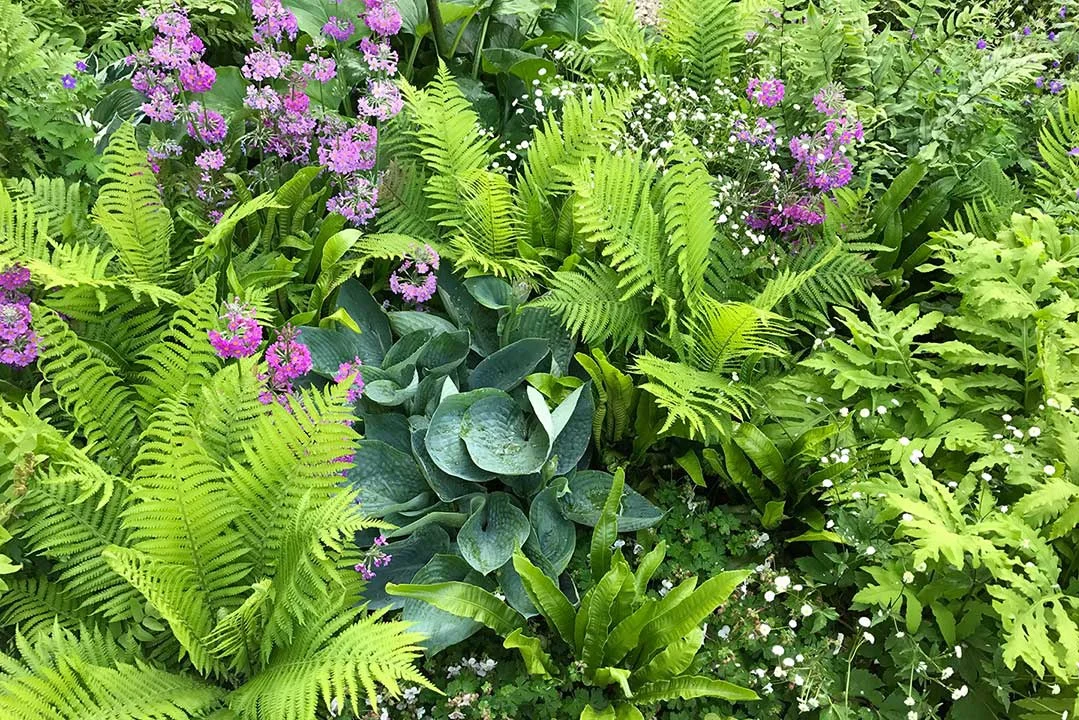
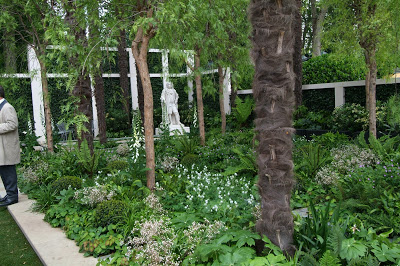
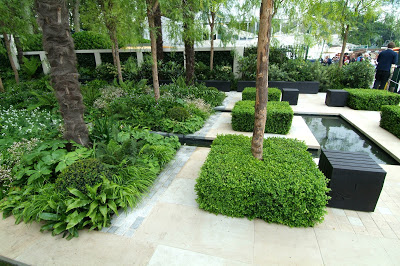
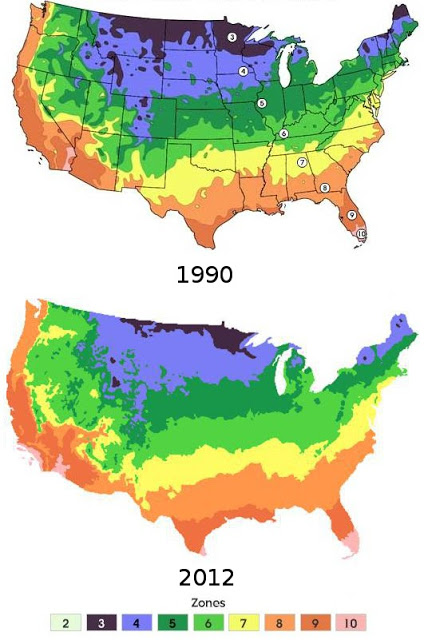
Countering landscape and garden risk with evolving climate may be achieved by purchasing smaller herbaceous plants and shrubs that are recommended for a warmer zone.
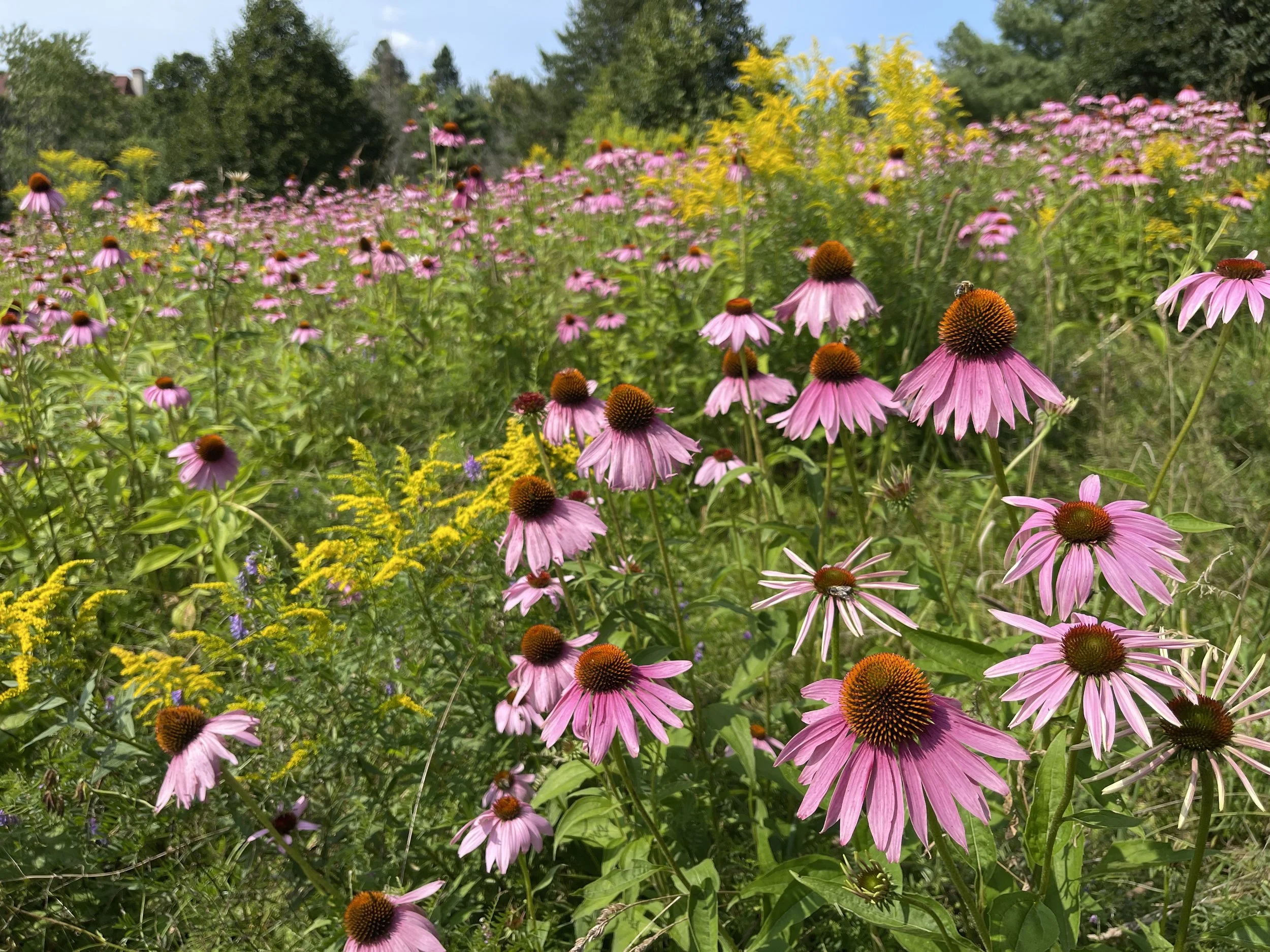
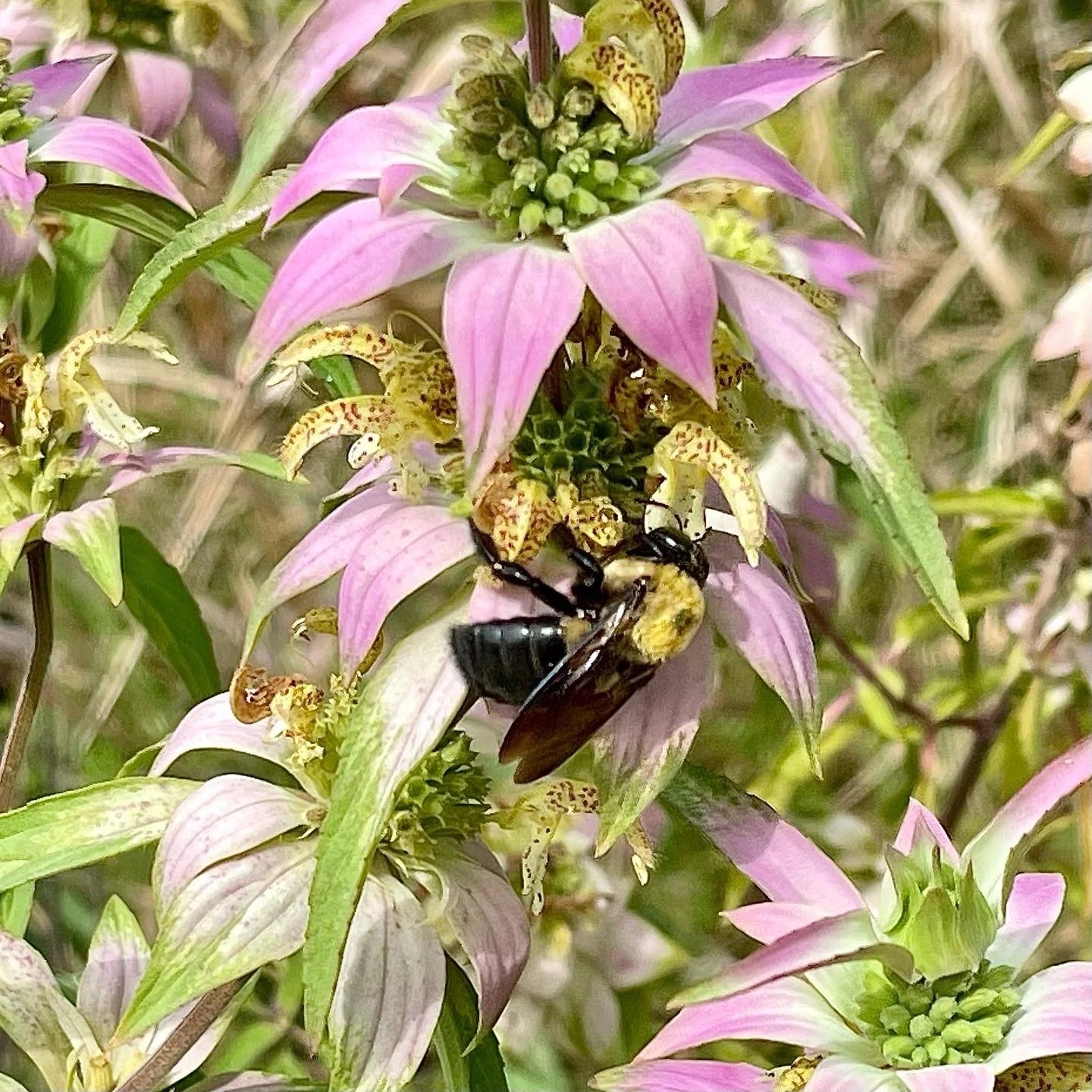
The use of native and adapted vegetation in the built environment, taking full advantage of the most appropriate plants that increase air quality, conserve water resources, and sequester carbon dioxide.
Traditional turf lawns contribute to global warming in multiple ways through: 1. The decomposition of lawn waste, which turns to methane gas as opposed to composting, 2. Using fossil-powered machinery to maintain it (mowers and leaf blowers), 3. Fossil energy used to pump water to irrigate and fossil energy used to produce fertilizers and pesticides. Native plants are significantly more effective than traditional mowed grass as a carbon sink due to their extensive root systems and increased ability to retain and store water.
I’m curious… how do you envision residential landscapes in the future? Did Robert Meyers accurately portray this? Please leave your thoughts…